
The Innovation Paradox
Everyone loves talking about innovation, but...

Everyone loves talking about innovation and claiming we encourage innovation.
But when it comes to learning, building new ideas, thinking of what ifs, we take calculated measures, check for similar success stories, business relevance, budgets allocation etc. We are too busy for innovation.
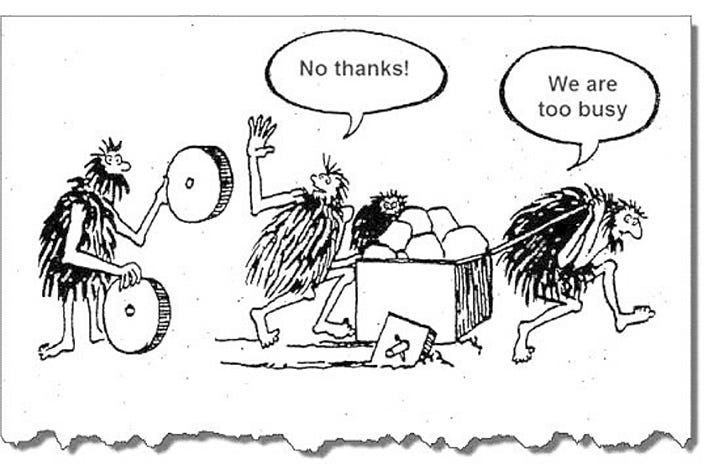
There is no business case for something new that you create or imagine what’s not done yet. There is no credential or guarantee it will work. Innovation doesn’t have projections without speculation and scepticism. There is no consensus for truly new ideas because there is no demand. However, there is 100% guarantee that you will learn what doesn’t work if you are willing to adopt ‘build to fail’. If you have a budget for exploration (including failures) to allow genius ideas to come through fearlessly, you will get learnings as dividends.
No one knew they wanted the iPhone before they saw it. Apple went through turbulent times, re-organisation, rejig of product lines before creating iTunes, iPod, iPhone. Qualcomm had a hard time justifying the new industry standard, getting devices and industry to accept CDMA. Any innovation is a success story when you connect the dots backwards. Not when it is happening, not when people think it’s crazy and doesn’t align with the usual work and services.
So how do you set up your company for innovation
1. Innovative culture needs more than cute emails
Culture eats strategy for breakfast is a cliché now. But it applies for your innovation strategy too. Unless your culture is not in sync with spotlighting (yes, spotlighting not just supporting) new ideas, different perspectives it is not going to create optimal output. Cultural principles of helping each other grow in knowledge and elevating responsible culture of innovation is vital. How top leadership live up to commitments and fair treatment. Nurturing participative experimentation, comfort in sharing ideas, consideration for variety of views. Most importantly, does your board and CXO suite set up the innovator minds for success with the right operational and resource support to make a mark.
Apple, Amazon, SpaceX, Stripe – not one CEO who cares about pleasing everyone. Food for thought in era of current exodus to Web 3. I think the rate at which talent is available and the rate companies are getting built do not match and there’s a scarcity of people who can think beyond incremental adhesives to keep the business running as usual.
2. Balance between exploration and business as usual
Incremental process improvements are a comfortable zone and a well-tested area. It is to protect the business or to keep the lights on. It doesn’t differentiate you in the pricing wars, let alone capturing value. Instead adopt ambidextrous strategy, provide balanced operational autonomy and define risk tolerance for exploration. Set up innovation index and encourage variation of ideas - Measure innovative performance and not only financial performance. Allow smooth resource reallocation with exploration as key strategic pillar.

Create sandboxes for foolish ideas and link these efforts to individual KPIs. If you reward only sales and services, innovation will not thrive. Design Thinking and Python are being taught in Grade 6 and 8 in schools. The generation after GenZ is learning in school what we learnt at work or by curiosity. Are you ready for younger, smarter and opinionated individuals who are multi-disciplinary or niche skilled without needing a manager or training?
3. Stop the innovation ride of “Here’s a new shiny toy”
Finally, if you’ve built a team and have innovative minds working on it enthusiastically, how do you make it realistic and tangible with core business services? Often, innovation is someone’s pet project or most of the world wants to look at this new shiny toy, new devices, or a new demo with cool things. Your innovation leaders and builders need operational support, marketing, alliances and HR – just as your mainstream sales leaders do. These are not lab projects. Someone out there is already taking these ideas to market; and you will know of it in the news notifications. Build the 60-90-120-day plan, assign accountability, and revise it for tangible business opportunities, with the strategic alliance partners. Give your innovative builders the same seriousness as your traditional services. Innovation wears a thorn-crown no matter where you are, which era you live in. But there are ways of solving and succeeding, else we would not have the next Tesla or Apple or UPI.
Snippets of this article were part of my academic submission and reading for Innovation Analysis at Stanford LEAD program’s Strategic Leadership course